
Oldest Methodist Churches and Influence in Illinois, Iowa, and Wisconsin
Last week the North Central Jurisdiction of the Commission on Archives and History met to explore the history of the Methodist Church in some of the areas of the Midwest. The annual convocation was established in 1970 as part of the organizational structure of the church’s Ministry of Memory. The convocation allows for the sharing of the progress, status, and concerns of the annual conferences included within the jurisdiction. In addition to daily lectures and business meetings, the convocation included visits ,to the oldest churches in Wisconsin (Mineral Point UMC, Platteville UMC, and Linden UMC) and Iowa (St. Luke’s UMC in Dubuque). We also visited Galena UMC, which is noted because of the membership of President Ulysses Grant and his wife, Julia.
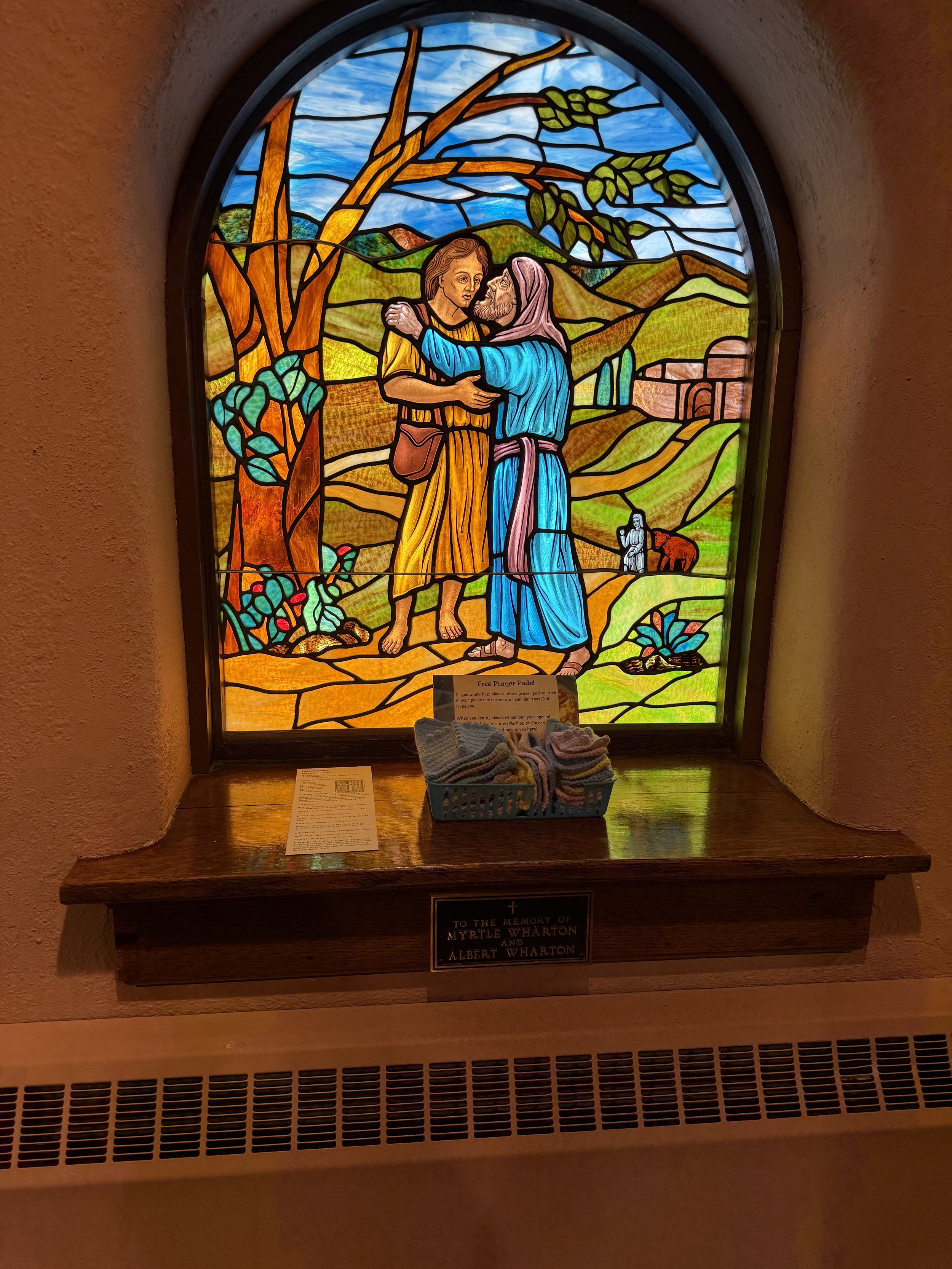
The St. Luke’s UMC in Dubuque is renowned not only as the oldest Methodist church in Iowa, it is highly regarded because of the beautiful Tiffany stained-glass windows throughout the church. The historical nature of the church is also complemented by the ongoing ministries of the congregation that take advantage of its downtown location to provide flowers and produce from the raised-bed gardens around the church and in the parking lots across the street.
The Wisconsin churches are noted not only because of their ages—each founded in the early 1830s, but also because of the impact of some of the early Methodist ministers who served in the area. The Mineral Point church continues to serve as an active congregation that is still embraced by the community despite the declining population because of its relevance to the town’s culture. The church still hosts the Christmas and Easter services that are well attended by members of the church, as well as members of the community. The church also hosts the annual baccalaureate service for the high school graduates. The church also hosts political rallies and town meetings.
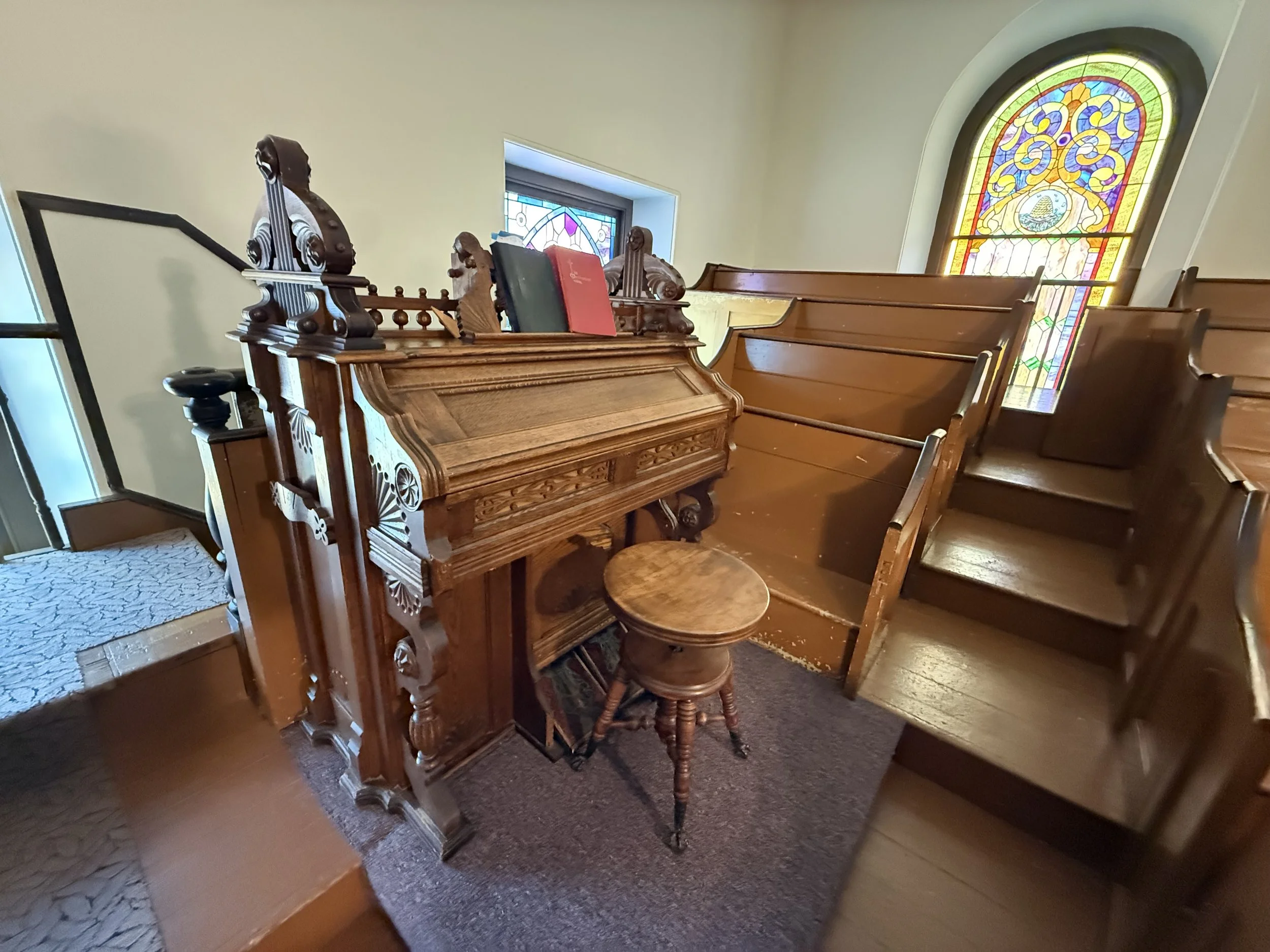
One of the most interesting items in the sanctuary was an antique pump organ that was recently donated. The second-floor seating area still contained the box pews that were characterized by locking doors that were popular in the 1800s when some pews in the church could be purchased for exclusive use by a particular family. The locking doors were also installed to help reduce drafts of cold air.
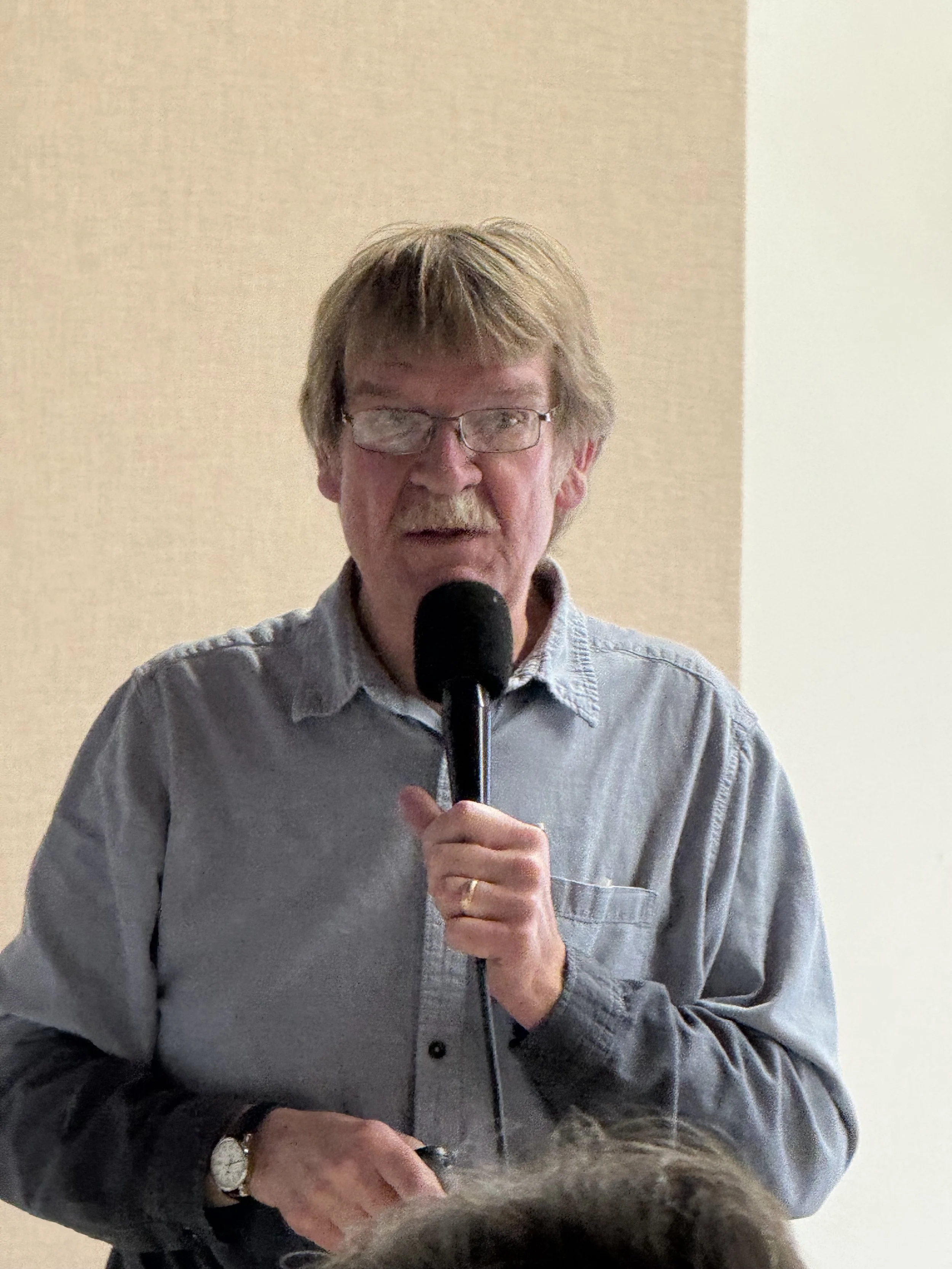
Professor James B. Hibbard of the University of Wisconsin-Platteville gave a very interesting and detailed lecture on the lives of Rev. Samuel Mitchell, who migrated to the Wisconsin area in 1837 from Virginia because of his abhorrence of slavery. Rev. Mitchell’s first wife died, and he married again. However, he wished to spare his younger set of children from the horrors of slavery. Therefore, he moved first to Illinois and then to Wisconsin. Unfortunately, there were still present in the area, people who had transported enslaved people with them, and some of them refused to emancipate the people they enslaved. Even Rev. Samuel Mitchell’s son, James (who was also a Methodist minister), was among those who refused to emancipate the people he enslaved. Rev. James Mitchell enslaved two minor girls (one, named Alice, was 17 and the other, an unnamed girl was 8 years old). Rather than emancipate them, he sent them to Missouri — a state that permitted slavery.
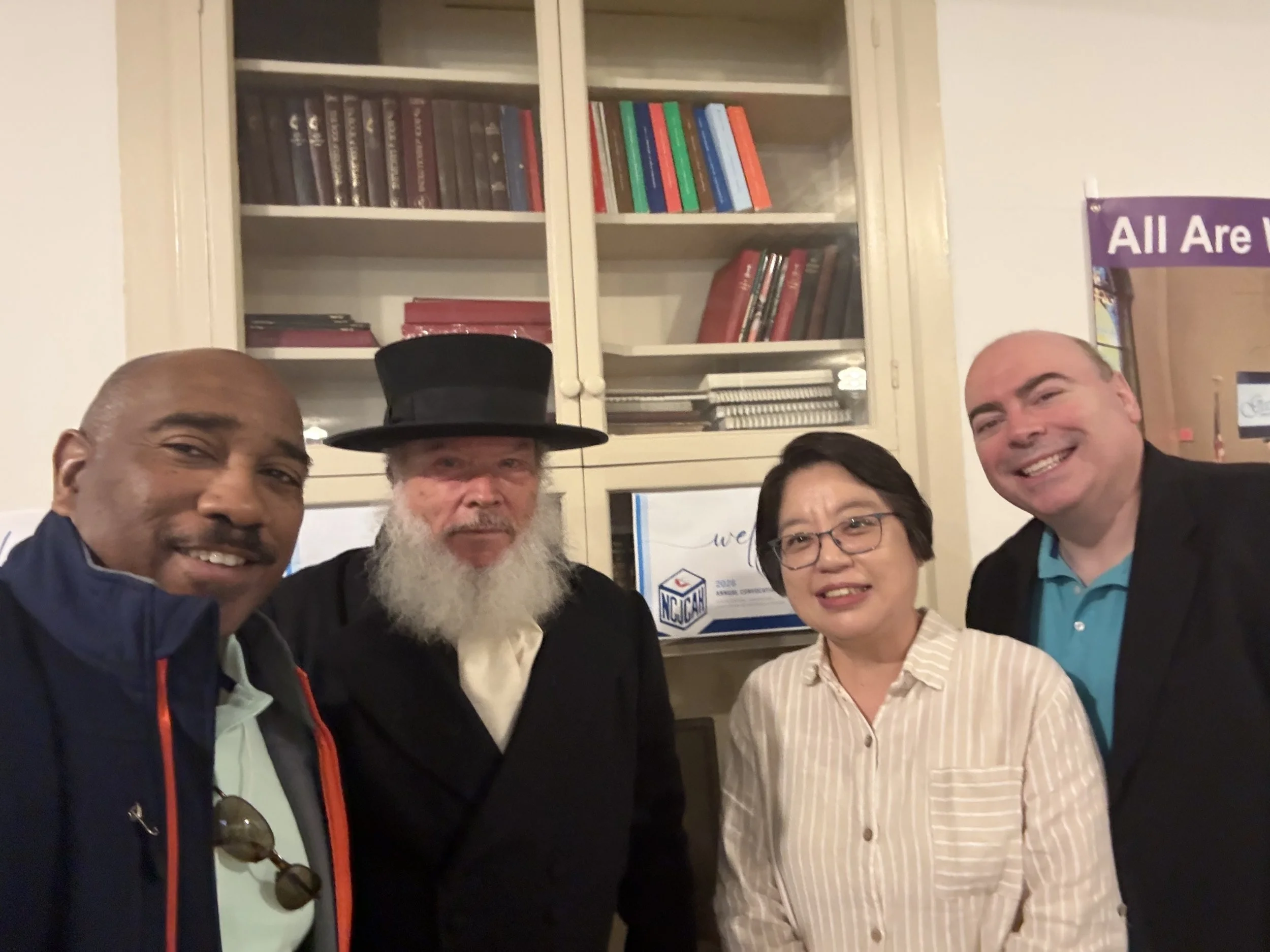
The final church that we visited was Galena UMC. While there, one of the board members provided a vivid description of a Methodist minister of the time while adorning full costume. He described the schedule and the circuit of the average Methodist minister. The pastor of the Galena UMC, Rev. Jin-Hee Kang, welcomed us and provided a tour of the sanctuary. The pew where President Grant and his wife, Julia, sat is marked by a small brass plaque. (It is also initially apparent that his wife attended much more frequently than he did.)
The historic and lasting impact of the Methodist congregations in the NCJ is quite notable. Interestingly, a little more than half the attendees at the convocation were retired pastors and their spouses. The other attendees were Methodist clergy and laity who were serving churches and colleges within the NCJ. The convocation was a vivid reminder of the ongoing legacy of leadership and service within the communities where the congregations are located.
I’m looking forward to sharing more about the history of The United Methodist Church and the predecessor denominations. As noted in our vision statement, we honor history and embrace innovation. We’ll look forward to seeing you in worship, in class, and on the mission field.
In Christ,
Jon McCoy
