
Steps to Heaven
Each year as the Lenten season approaches, I think about the Lenten fast—what are the things that I will remove from my daily routines to make space for more spiritual growth. As I have shared often, fasting for Lent is a practice that I did not learn about until I entered the pastoral ministry while in graduate school. Since that time, I have almost always included a fast from secular music. During Lent, I become much more deliberate about my choices of music and I look specifically for alternative arrangements of sacred music.
My definition of sacred music is relatively broad. Because of my enjoyment of jazz and other improvised musical art forms, I have discovered some interesting arrangements of well-known hymns and other songs. In my first years of exploring alternate arrangements of hymns, I discovered a recording by Gene Ammons entitled “Preachin’.” What was especially notable about the Ammons recording was the fact that his brother, Edsel, was a United Methodist bishop and as everyone knows, I am always looking for “the Methodist connection.”
A few years later, I discovered Miles Davis’ recording “Seven Steps to Heaven.” In addition to including a selection entitled “Seven Steps to Heaven,” the album also included a selection entitled “Joshua.” While Miles Davis is not known for his religious affiliation, he talked occasionally about the influence of his childhood memories of hearing his grandparents singing hymns when he visited them.
When I served as senior pastor at St. Mark UMC in Chicago in the early 2000s, Miles Davis’ brother-in-law and nephew, Vince Wilburn, Sr. and Vince Wilburn, Jr. were members. (Both Miles Davis and his sister, Dorothy, had died by that time.) Vince Wilburn, Jr. and Miles Davis’ son, Erin, have assumed primary responsibility for perpetuating the legacy of Miles Davis. Along with Miles’ daughter, Cheryl, they authorize and monitor uses of his music, name and images. Over the years, I’ve had the occasion to attend some of the concerts by the Miles Electric Band (MEB) that Vince now leads.
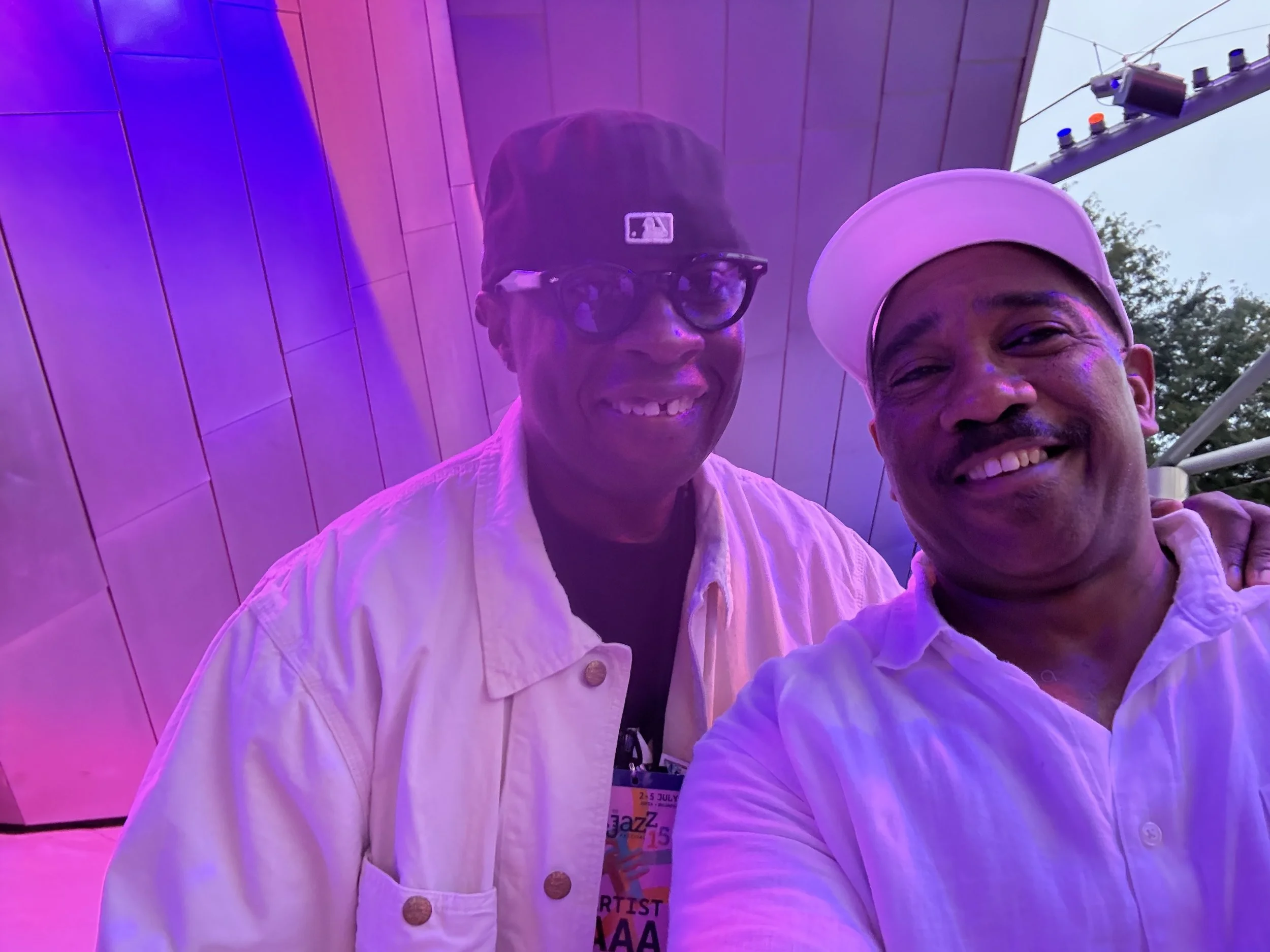
Last weekend, the MEB performed at the Chicago Jazz Festival. Robbye and I were delighted to attend the concert that also is part of the celebration of what would have been Miles’ 100th birthday. Among the many contributions that Miles’ music and art have made to the field of music and society, in general, Miles has demonstrated the benefit of change, growth, creativity, collaboration and inclusiveness of those who are younger. The MEB includes younger musicians, as well as veterans who performed with Miles during various iterations of his musical explorations.
A few weeks ago, we were led in worship by Donna Hamrick, Lindrew Johnson and Corey Kendrick. Together, they presented traditional, contemporary and improvised arrangements of well-known hymns. The familiarity of the melodies captured the attention of the congregation. The other arrangements invited the congregation to consider the new ways that the presence of God can be experienced. Our journey of faith is one characterized by openness to innovation while simultaneously embracing the importance of traditions. Remember the word of God included in the prophetic book of Isaiah, “Behold, I am about to do a new thing. Now it springs forth, do you not perceive it?” (43:19).
We are looking forward to seeing you in worship, in class and on the mission field.
In Christ,
Jon McCoy
