
DOPE Leadership
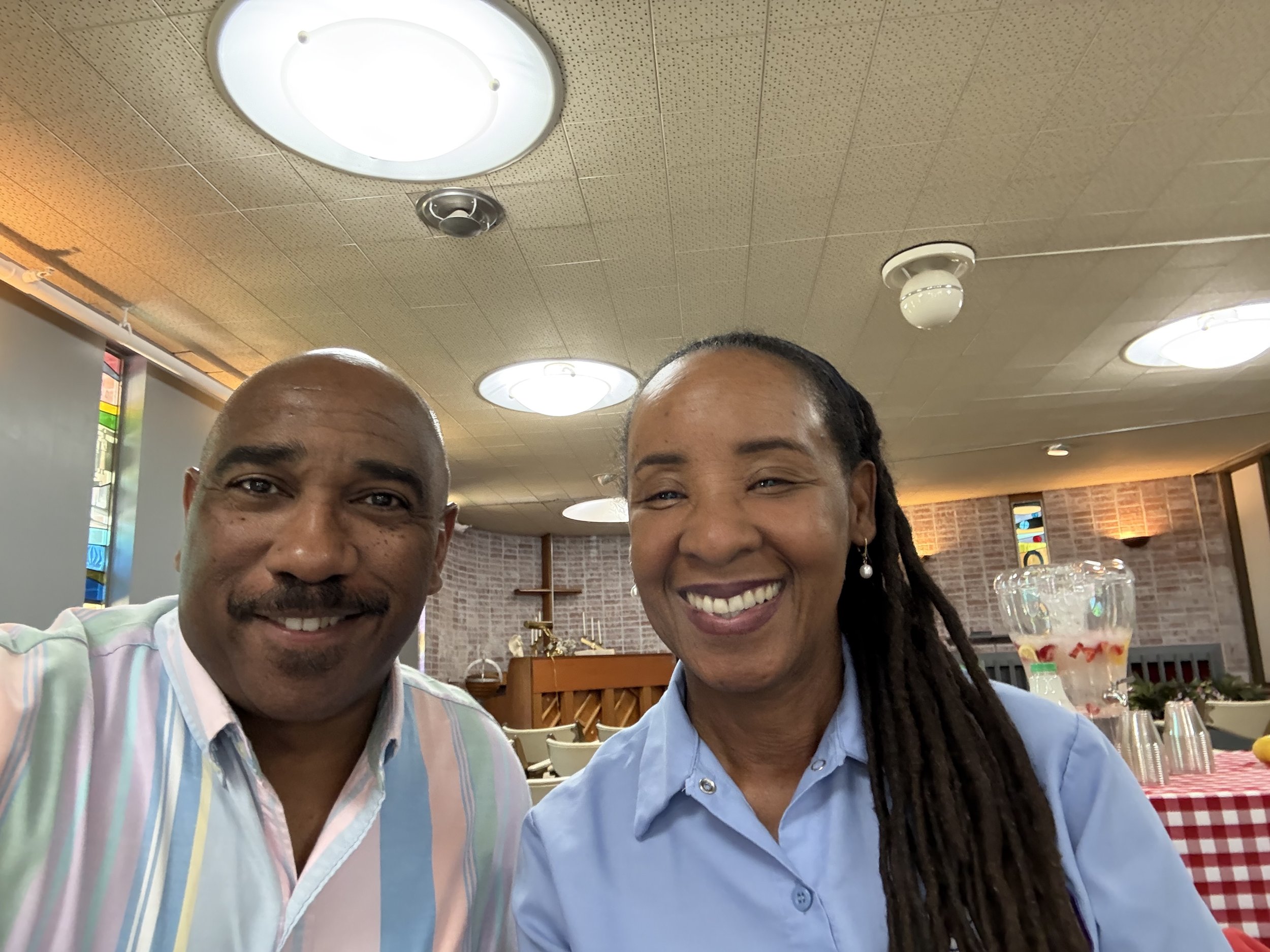
In a recent gathering with Bishop Kennetha Bingham-Tsai, she presented an extended analysis of the Adaptive Leadership Modelof Marty Heifetz using the acronym DOPE. Among the key properties of adaptive work are the following concepts: (1) The people with the problem are the problem, and they are the solution; (2) Adaptive solutions often lie within the society or organization; and (3) Solutions involve real and potential losses – material, competency, and identity. The latter point identifying the exceptional challenges that are presented by losses was one of the primary foci of Bishop Bigham-Tsai’s presentation.
Some of the greatest resistance faced by leaders are initiated and sustained by those who are frightened by the losses that come with change. In addition to the sense of loss that accompanies change is the implication of negative judgement that accompanies changes. It is easy to assume that things are changing because something is wrong. A more accurate explanation of the necessity of change is the fact that continued effectiveness and efficiency often require change. Almost everyone is familiar with the inaccurate axiom “if you keep on doing what you’ve always done, you’ll always get what you’ve already got.”
This simply isn’t true. There are countless examples of well-worn habits that were once the “cutting edge of innovation” that now are best regarded as sophomoric excursions by those of limited cognitive capacities! Who remembers placing the sign in your front window to indicate the need for a delivery of a block of ice? Who remembers the signal for hitch-hiking or who remembers the last time picking up a hitch-hiker? Who remembers when their school purchased machines to clean chalk from the erasers? Or who remembers the excitement of purchasing a 25-inch console television or keeping the phone number of the tv repairman by your wall-mounted phone.
Innovation is critical to lead. Being in front of the trends and anticipating needs are essential characteristics of leaders. Additionally, as leaders equip others, good leaders must provide (1) Direction; (2) Order; (3) Protection; and (4) Expertise. Effective leaders create a “permission granting” culture in which a failed effort is not criticized. Instead it is critiqued to provide more information to increase the likelihood of success on the next attempt.
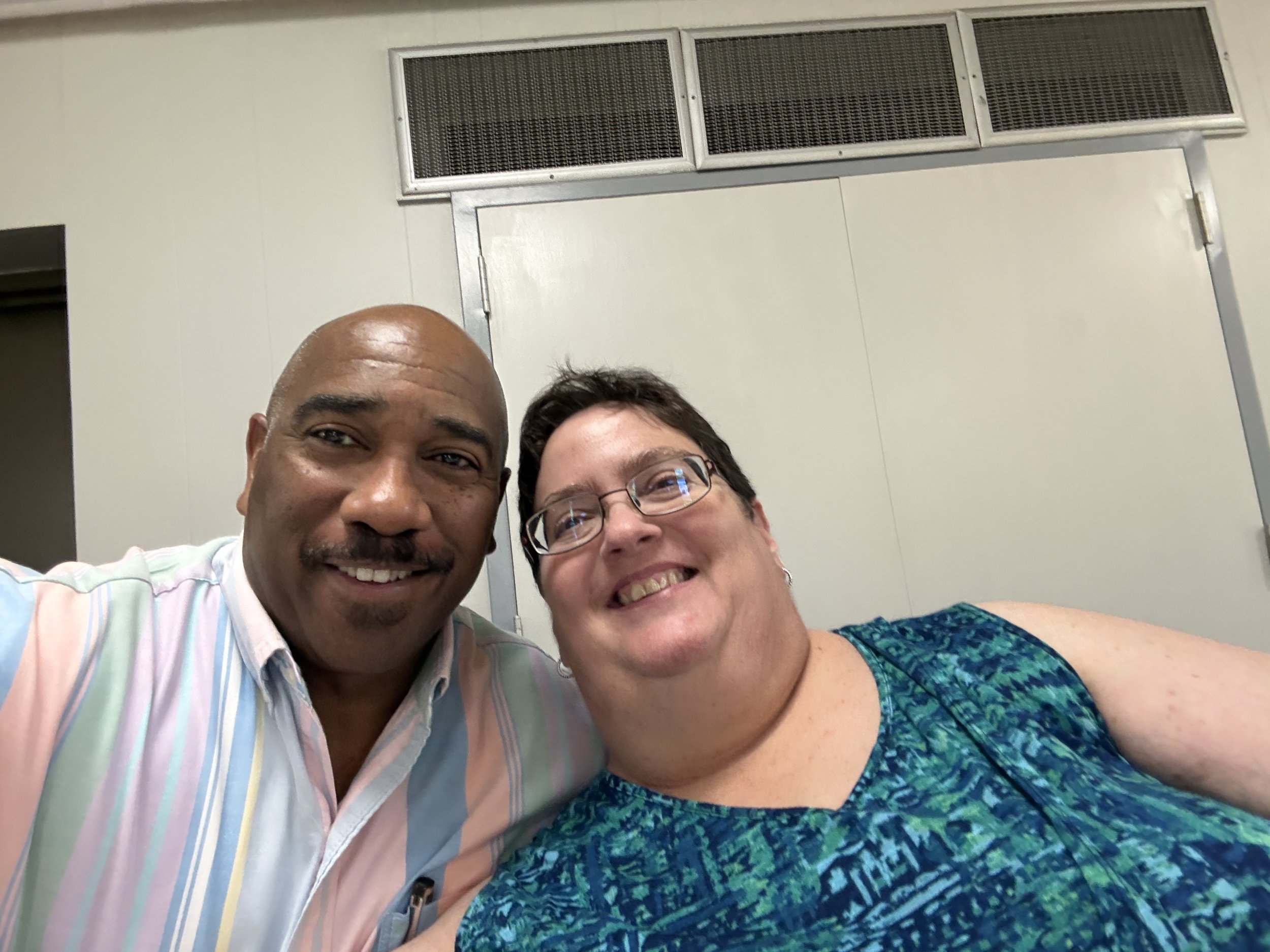
In addition to learning more about the leadership style of Bishop Bingham-Tsai, I also had the pleasure of meeting one of the former associate pastors of Christ UMC, Rachel Stockle. She fondly recalled the three years she served in East Moline with David Bultemeier, who served as senior pastor from 1989-2000. Rachel and the other pastors attending the meeting with Bishop Brigham-Tsai shared their examples of success and frustration when providing leadership in various settings. As the pastor clarifies the values of the congregation and builds the capacity of the congregation to adapt, the health of the congregation improves and the likelihood of fulfilling the vision is also improved. Among the most difficult realizations of a church is to acknowledge that the gaps in the current reality and the desired outcomes can’t be closed by the existing leadership. Personnel or, at the very least, attitudinal changes are necessary.
In Christ,
Jon McCoy
